
 Maria Teresa Agnesi
* 1720 in Mailand
✝ 1795Teresa Maria Gaetana Agnesi, die jüngere Schwester von Maria Gaetana, einer berühmten Wissenschaftlerin und Philanthropin, wurde am 17. Oktober 1720 in Mailand als drittes Kind des Textilhändlers Pietro Agnesi Mariani und Anna Fortunata Brivio geboren. „Dass sie bereits in frühester Jugend Musikunterricht erhielt, ist aufgrund des Ruhms, den sie schon in jungen Jahren bei den Auftritten im Rahmen der vom Vater im eigenen Haus organisierten Akademien erwarb, als sicher anzunehmen. [...] Auch der sächsische Kurprinz Friedrich Christian und auch Markgraf…
WeiterlesenHarriet AbramsDie Lebensdaten von Harriet (auch Harriett) Abrams sind nicht gesichert, einigen Angaben zufolge lebte sie von 1760 bis 1822, nach anderen Quellen um 1758 bis 8. März 1821 bzw. 1825. Harriet Abrams wurde in eine große musikalische Familie jüdischer Herkunft hineingeboren und war eine erfolgreiche Sängerin, wie auch ihre beiden jüngeren Schwestern Theodosia und Eliza. Harriet studierte Gesang, Musiktheorie und Komposition bei dem bekannten englischen Komponisten Thomas Arne (1710–1778) und debütierte 1775 am Theatre Royal, Drury Lane in London. Kritiker…
WeiterlesenLiana Alexandra* 1946 in Bukarest
✝ 2011 in BukarestDie Pianistin und Komponistin studierte von 1965-1971 Komposition am Bukarester Ciprian-Porumbescu-Konservatorium. Sie nahm mehrere Jahre an den Sommerkursen in Darmstadt teil und erhielt 1983 das USIA-Stipendium für USA-Studien, die sie mit einer Promotion in Musikwissenschaft abschloss. Liana Alexandra wurde mit zahlreichen Kompositionspreisen ausgezeichnet, wie 1989 beim Gedok-Wettbewerb in Mannheim, 1991 beim Internationalen Komponistinnen-Festival in Unna, 2003 und 2004 beim Festival "Synthese" in Bourges, um nur wenige ihrer Preise zu nennen. http://romania-on-line.net/whoswho/AlexandraLiana.htm
WeiterlesenMaria de Alvear* 1959 in Madrid
Maria de Alvear studierte Cembalo, Klavier, Orgel und Harfe sowie Komposition und Dirigieren in Spanien und ab 1980 "Neues Musiktheater" bei Mauricio Kagel an der Hochschule für Musik in Köln. Sie erhielt ihren Abschluss 1986 und arbeitet seit 1989 auch als bildende Künstlerin. Maria de Alvear erhielt 1992 das Bernd-Alois-Zimmermann-Stipendium und gründete 1998 den Verlag "World Edition". Die Komponistin befasste sich intensiv mit Jazzimprovisation und der Musik anderer Völker; Forschungsreisen führten sie u. a. nach Sibirien, Nordafrika und in die…
WeiterlesenElisabeth Amandi* 1950 in Bamberg
Elisabeth Amandi ist mit ihrer rhythmischen Instrumentalmusik eine aktive und kreative Frau in allen wichtigen Arealen der musikalischen Bildung und Unterhaltung. Elisabeth Amandi, geborene Elisabeth Völkel am 21.10.1950 in Bamberg, verbrachte die ersten Lebensjahre in einem Kinderheim in Bamberg. Mit 6 Jahren wurde sie von Mutter und Großmutter zur Familie nach Würzburg geholt. Ab dem 6. Lebensjahr erhielt sie Klavierunterricht und gleichzeitig über 20 Jahre Ballettunterricht mit zahlreichen Auftritten im Stadttheater Würzburg. In dem katholischen Ursulinen-Gymnasium bekam sie in der…
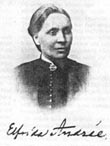
WeiterlesenElfrida Andrée* 1841 in Visby
✝ 1929 in Göteborgschwedische Organistin und Komponistin, wurde am 19. Februar 1841 in Visby geboren und starb am 11. Januar 1929 in Göteborg. Wie ihre Schwester, die bedeutende Opernsängerin Fredricka Stenhammar, bekam sie die ersten musikalischen Unterweisungen von ihrem Vater. Sie studierte Komposition bei Ludwig Norman an der Royal Academy of Music, Stockholm, und nahm später Unterricht bei Niels Gade in Kopenhagen. Zur selben Zeit studierte sie Telegraphie und wurde die erste Telegraphin in Schweden. Sie war eine starke Unterstützerin der Suffragetten-Bewegung. 1867…
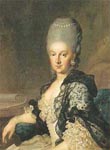
WeiterlesenAnna Amalia, Herzogin von Sachsen-Weimar* 1738
✝ 1806Anna Amalia, Herzogin von Sachsen-Weimar (1739-1807) hatte einen wesentlichen Einfluss auf das musikalische und kulturelle Leben im Weimar der Goethezeit. Als Tochter des Herzogs Karl I. von Braunschweig und Nichte Friedrichs des Großen erhielt sie schon als junges Mädchen Musikunterricht und spielte Cembalo, Fortepiano, Gitarre und Harfe. Mit 16 Jahren wurde sie mit dem Herzog Ernst August Konstantin von Sachsen-Weimar verheiratet, der nur zwei Jahre später, kurz nach der Geburt des zweiten Sohnes, starb. Sie sammelte um sich hervorragende Schriftsteller,…
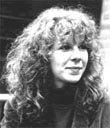
WeiterlesenCaroline Ansink* 1959 in Amsterdam
Caroline Ansink studierte Flöte bei Abbie de Quant am Utrechter Konservatorium und erhielt 1986 ihr musikwissenschaftliches Diplom. Zudem studierte sie von 1983 bis 1988 Komposition bei Joep Straesser und nahm zeitweilig Unterricht bei dem koreanischen Komponisten Isang Yun. Zu ihrem OEuvre zählen Kammer- und Vokalmusik sowie Orchester- und Chorkompositionen. Mit ihren Kompositionen gewann sie mehrere Preise, u. a. 1985 und 1989 beim Gedok-Wettbewerb in Mannheim und 1990 den Förderpreis des Amsterdamer Kunstfonds. 1992 wurden Caroline Ansink und der 1940 verstorbenen…
WeiterlesenBettine von Arnim* 1785 in Frankfurt a. M
✝ 1859 in BerlinCatharina Elisabetha Ludovica Magdalena Brentano - so lautet ihr Name im Kirchenbuch - wurde am 4. April 1785 in Frankfurt a. M. geboren. Die Tochter einer französischen Mutter und eines italienischen Vaters war als deutsche Dichterin, Komponistin, Sängerin und Bildhauerin eine der vielseitigsten und schillerndsten Persönlichkeiten des 19. Jahrhunderts. Früh erhielt sie Unterricht in Klavier, Gesang und Kom-position. Ihr Stil war ausgesprochen improvisatorisch. Alois Bihler, einer ihrer Mitstudenten, schien ihre musikalischen Gedanken gut zu verstehen und konnte ihr während der…
WeiterlesenMay Frances Aufderheide* 1890
✝ 1972May Aufderheide schrieb ca. ein halbes Duzend Ragtimes, die im Verlag ihres Vaters (Indianapolis publishing company) publiziert wurden. Möglicherweise schrieb Aufderheide die Musik nicht selbst, sondern Julia Niebergall schrieb auf, was Aufderheide am Klavier komponierte. May Aufderheides "The Thriller," datiert von 1909 ist ein an exzellenter Rag einer vielfach anerkannten Ragtimes-Komponistin.
WeiterlesenJosephine Aurnhammer* 1757
✝ 1819Was hätte Ihnen der Name Josephine Aurnhammer gesagt? W. A. Mozart schätze seine Kollegin als außergewöhnliche Pianistin und Komponistin.
WeiterlesenMarie Awadisin Armenien
Die in Deutschland lebende armenische Pianistin und Komponistin Marie Awadis ist bekannt für ihren sensiblen Klang. Intim und poetisch, zielt ihre Musik darauf ab, die Tiefe menschlicher Gefühle zu zeigen. Ihre Werke, die sich immer um ihr Instrument, das Klavier, drehen, sind beeinflusst von ihren Lebenserfahrungen, von tiefen Wurzeln in klassischer Tradition bis hin zu wiederkehrenden, folkloristisch-harmonischen Elementen ihrer Heimat Armenien. Seit 2018 konzertiert sie in Deutschland und Europa. Neben ihren beiden Solo-Alben „Echoes“ (2015) und „Searching“ (2017) hat sie…
WeiterlesenTitel
Nach oben
Komponistinnenhollerbach2020-12-30T12:59:39+01:00